
What Is a Storyboard Artist?
A storyboard artist translates a script into a sequence of drawings — shot by shot — so everyone on a production can picture the film before a single frame is shot. They're the visual translator between writers, directors, agencies and crews.
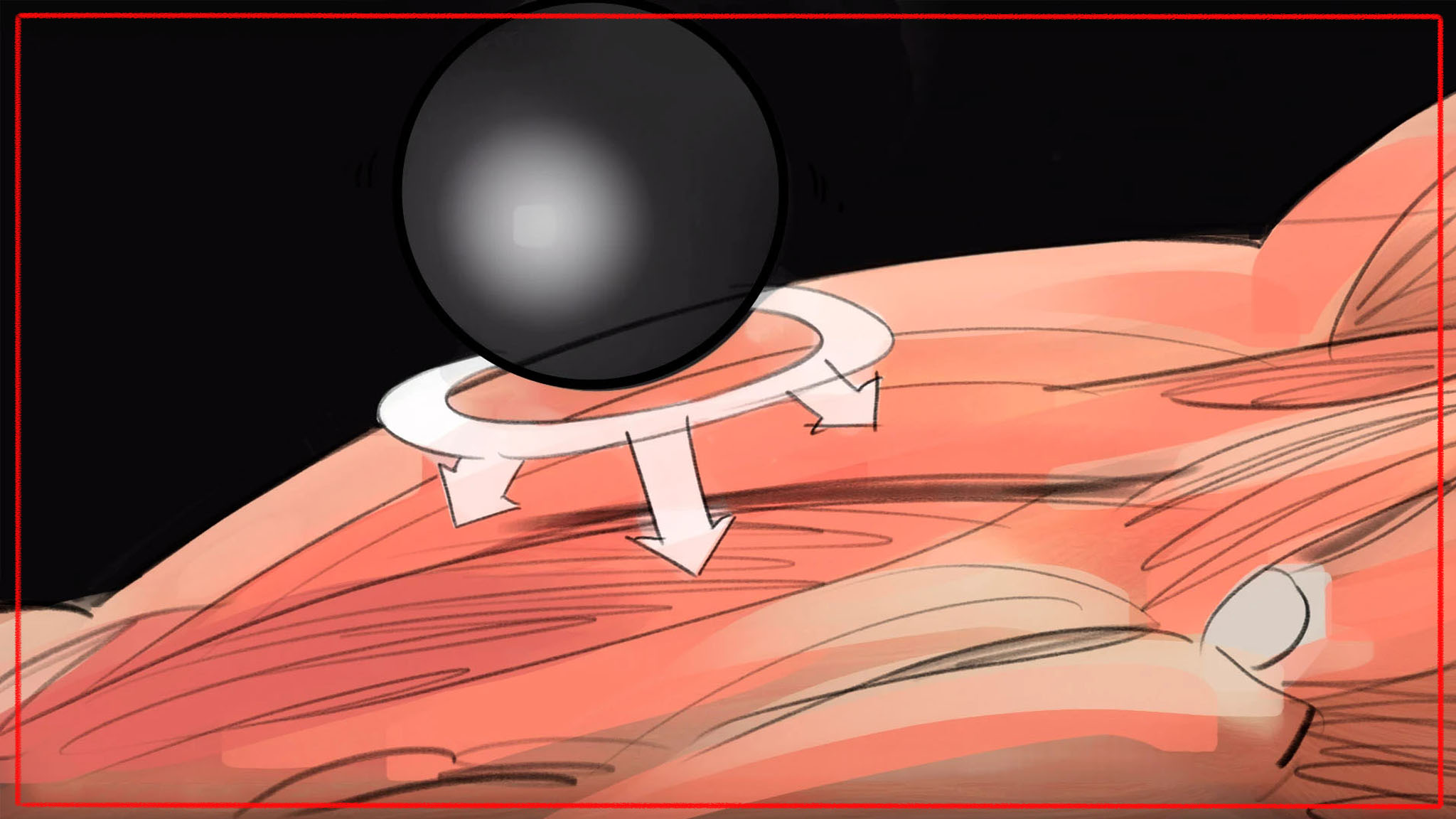
The 30-second answer
A storyboard artist draws what each shot in your film, ad or video will look like — composition, camera angle, blocking, action — before production begins. The drawings sit in panels, like a comic strip, called a "storyboard." A good one answers "what are we actually going to shoot?" in a way words alone never quite manage.
What does a storyboard artist actually do day-to-day?
Short version: read the script, talk to the director, sketch frames, take notes, redraw, deliver. The long version is more interesting:
- Read the brief. Script, treatment, mood board, lookbook, reference reel.
- Decode the director's intent. What does the director want each scene to feel like? Wide and lonely? Tight and tense?
- Choose the shots. For every beat, propose a shot — wide, mid, close, dolly, push-in, whip-pan. A creative decision, not just illustration.
- Draw the frames. Composition, blocking, lens choice, lighting hint, action.
- Iterate. Notes come back, redraw, send, repeat.
- Hand over. Final boards go to the DOP, AD, agency, client and post house. Everyone shoots from the same map.
Storyboard artist vs. illustrator vs. concept artist
People mix these up constantly:
- Concept artist: designs what things look like (the spaceship, the alien, the dystopian city).
- Illustrator: draws standalone images (book covers, posters, editorial).
- Storyboard artist: draws how scenes will be shot. The job is sequence and camera, not just image.
You can hire all three on a single project; they aren't substitutes.
When do you need a storyboard artist?
- TV commercials. Almost universally. Boards are usually a contractual deliverable for the client to approve.
- Branded content. Critical when the agency, brand and director all need to align.
- Music videos. Especially for performance + narrative hybrid videos with set-piece sequences.
- Films. Action, VFX, complex stunts and animation are nearly always boarded; dialogue scenes sometimes are.
- Animation. Mandatory — you can't animate without a board.
Rule of thumb
If a single shot will cost you more than the storyboard for the whole film, you needed a storyboard artist.
What "good" looks like in a UK storyboard artist
The best storyboards aren't the prettiest — they're the most useful on shoot day. Look for:
- Shot literacy. Do they speak DOP fluently? Lenses, focal length, blocking, eyelines, screen direction?
- Speed under pressure. Can they deliver first frames in 24-48 hours and revise on the same day?
- Variety in style. A loose pencil sketch and a polished colour render are different tools. Both should be on offer.
- UK production literacy. Familiar with the BBC / Channel 4 / agency review cycle, IPA terms, and BECTU rates.
How storyboard artists work in 2026
Most UK storyboard artists now work digitally — Procreate, Photoshop, Storyboarder — though plenty still sketch on paper for that loose, kinetic feel. The bigger recent shift is the workflow: live collaborative documents (Figma, Frame.io, Google Drive) where directors and agency leads watch frames develop in real time and comment inline.
What it costs in the UK
For a quick benchmark in 2026: roughly £25-£60 per black-and-white frame, £55-£120 for tonal, £100-£250 for full colour, with day rates from around £450-£900. Full pricing guide here →
Hiring next?
Ready to hire a UK storyboard artist? Request a free estimate with your script or treatment and I'll come back with a fixed price within a day. Still researching? Read the next post, How to Hire a Storyboard Artist (Without Wasting Budget).
This article was written by Mitch, a UK freelance storyboard artist with 20+ years in film, TV and advertising. Hire me · See portfolio